
September 2023
HOME - September 2023
September 2023 Newsletter
Japanese Knotweed Management & Treatment
The Code of Practice
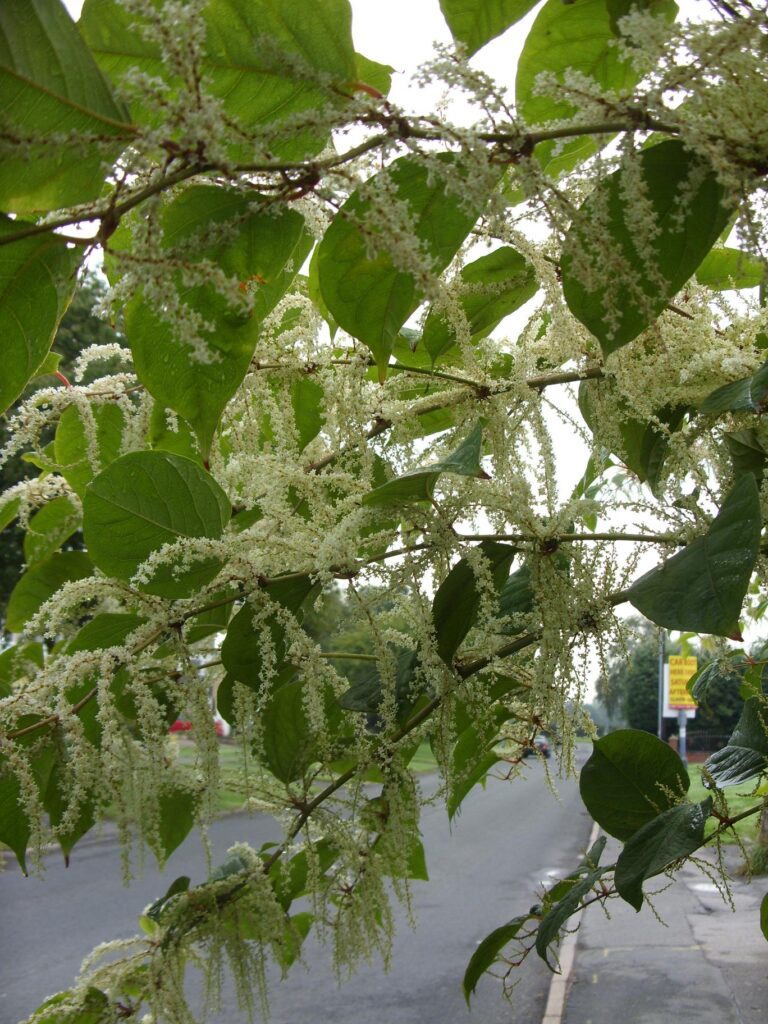
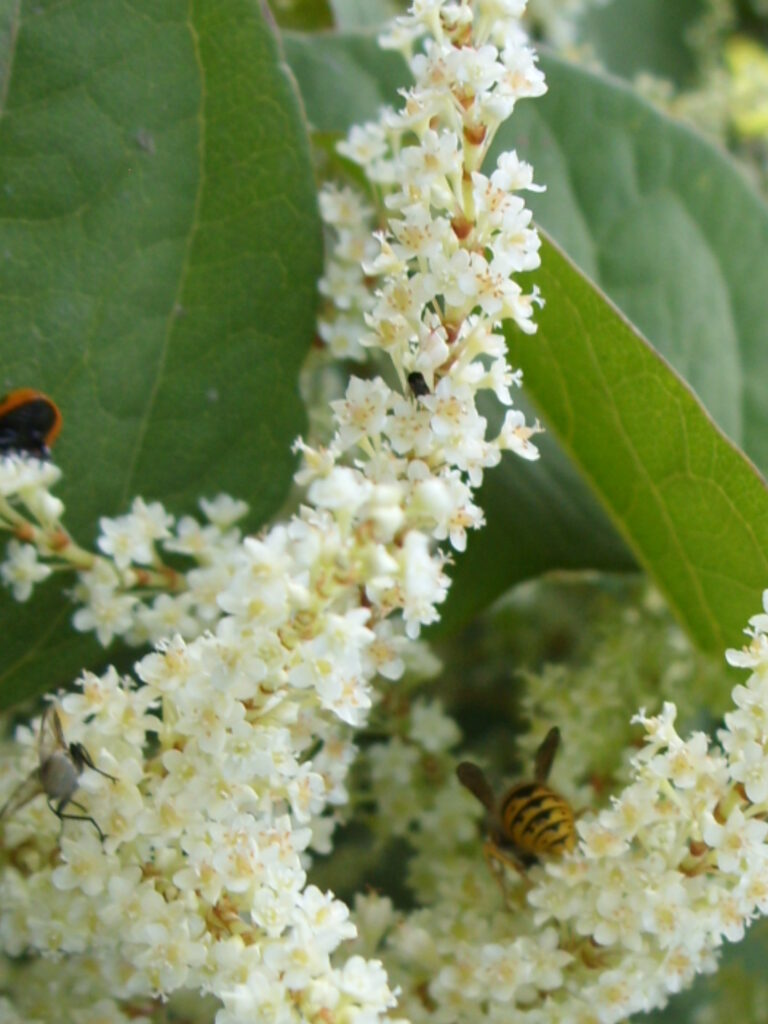
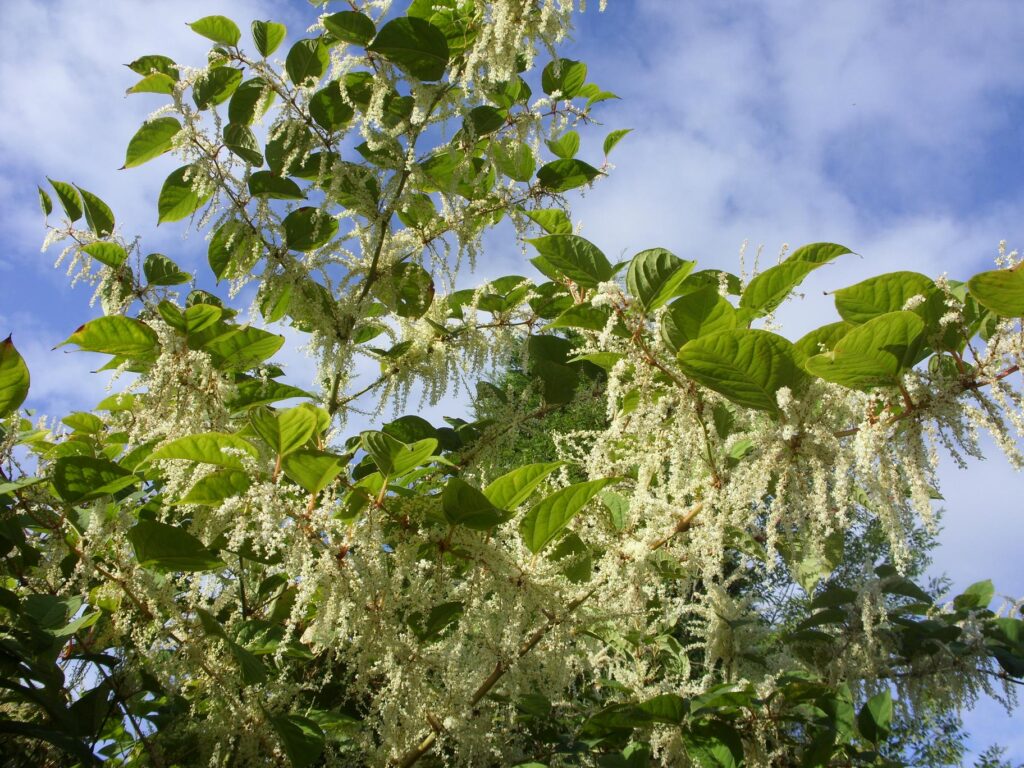
Why is the use of an Adopted Code of Practice for the Management of Japanese Knotweed Important in your Selection of a Suitable Expert for Advice and Treatment?
Compliance and understanding to find the optimum solutions is a contractors prerequisite to obtain full accreditation which encompasses the following schedule list:
- Training and accreditation
- Professional understanding
- Japanese Knotweed
- Impacts of Japanese Knotweed
- Identification
- Similar species (mistaken identity)
- Legislation
- Important legislation relating to the control and disposal of Japanese Knotweed
- Explanation of legislation
- Inspection
- Site assessment
- Japanese Knotweed risk assessment
- Mapping
- Monitoring
- Biosecurity
- Prevention of spread offsite and around site
- Prevention of spread onto site
- Developing an optimal management plan for controlling Japanese Knotweed
- Factors to consider when developing optimal management plans
- Control options
- Herbicide use
- Regulations
- Herbicide choice
- Herbicide records
- Herbicide treatment: optimal plant condition and timing
- Herbicide use near water bodies
- Herbicide: Stem injection
- Excavation and transport of contaminated material
- Waste management
- Onsite waste burial
- Offsite removal to landfill
- Reports
- Site assessment
- Management plan
- Update report
- Completion report and certificate
- Warranty
- Insurance and bonds
- Insured Guarantees (Remedial Work)
The insurance companies need to also measure their risk. Compliance and accreditation is a prerequisite.
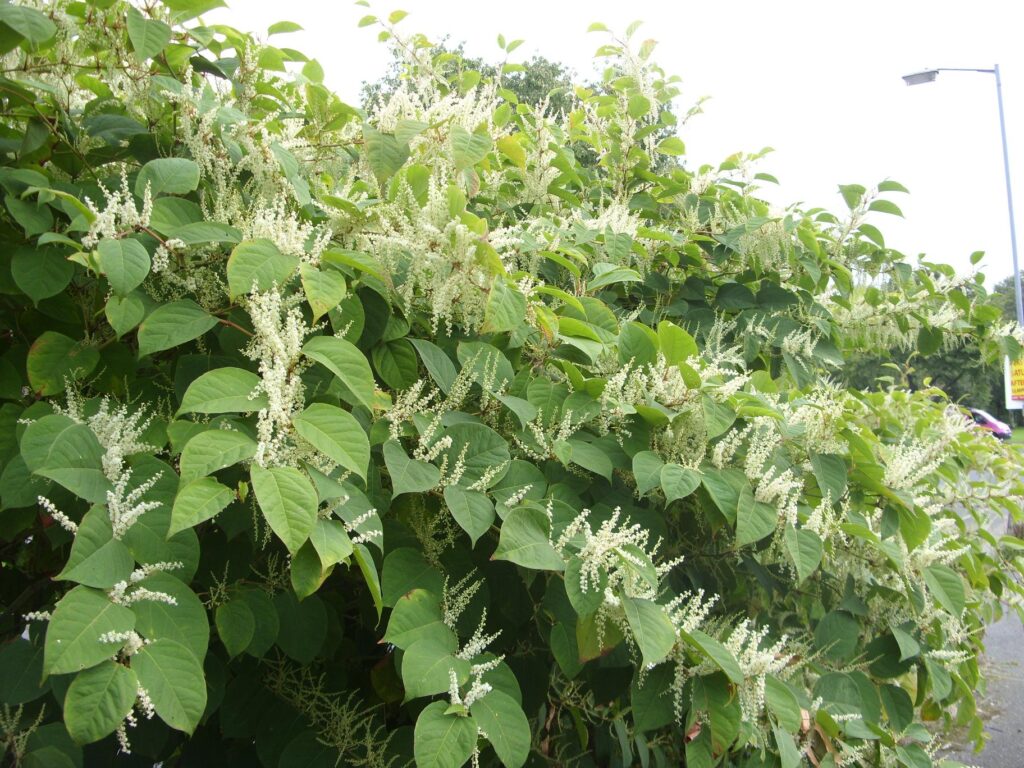
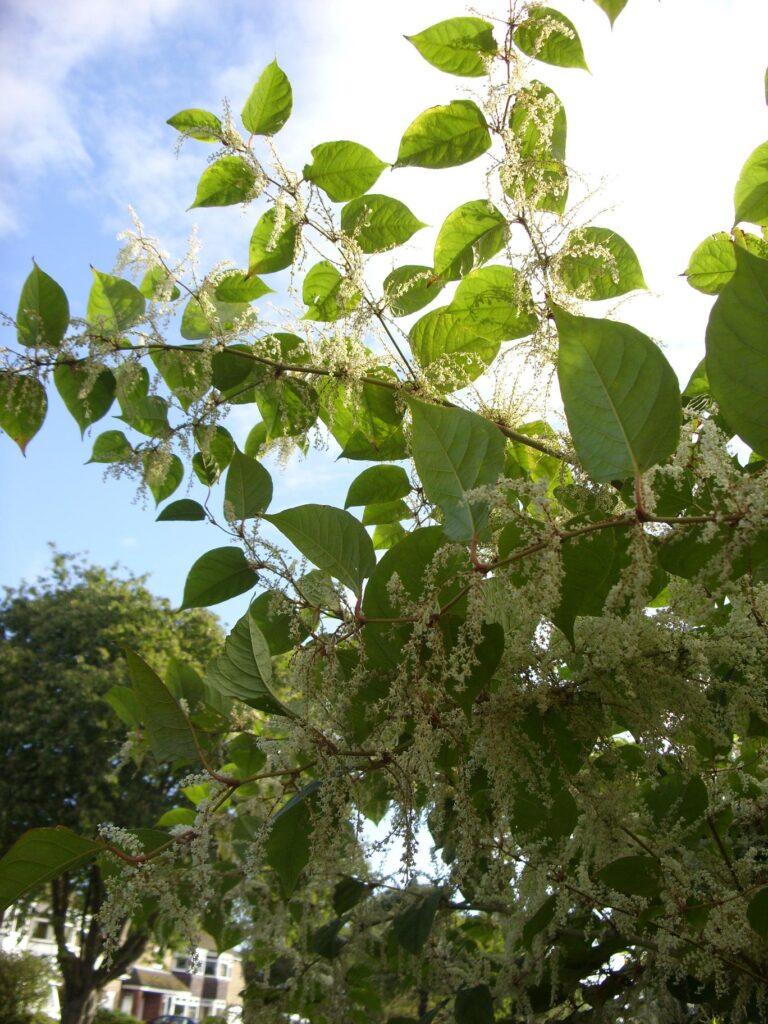
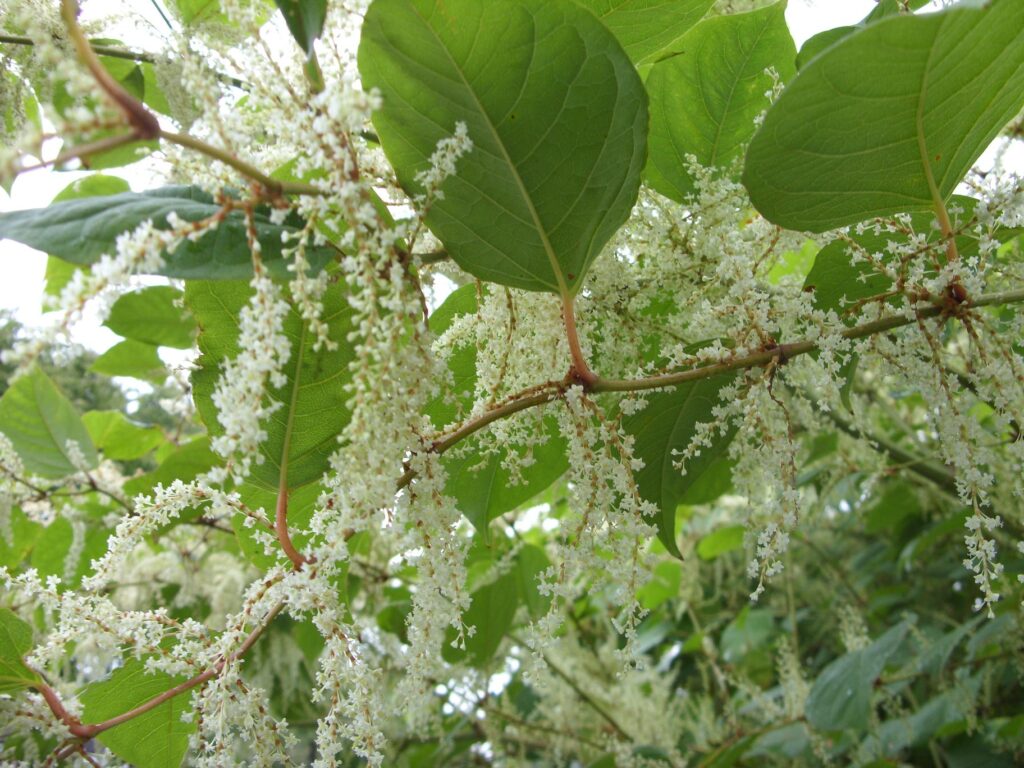
Outcome
Your sale, purchase, mortgage or funding should not be constrained by adverse valuation.
Summary
This Code is based on current “best practice” and aims to provide a concise and thorough guide to the management of Japanese Knotweed (scientific name: Fallopia japonica). Information is given on associated matters and, where appropriate, reference is made to other documents and legislation.
All information conforms to or improves on recommendations provided by the Environment Agency and the Royal Institution of Chartered Surveyors.
Impacts
The underground rhizomes of this species can penetrate loose aggregate and grow through existing small cracks, openings or voids in asphalt/concrete. Like many plant species, once established, the underground structures of Japanese Knotweed rhizome can slowly increase in volume over time and ultimately impact built structures (e.g. drains and patios), typically in the form of exacerbating existing weakness or damage.
The species’ fast vertical growth rate allows it to outcompete much of the native vegetation in the UK and Ireland.
Other negative impacts include:
- Loss of biodiversity.
- Increased flooding risk by impeding river-water flow.
- Increased riverbank erosion.
- Economic loss, primarily associated with control costs in the construction sector.
- Delays to development.
- Aesthetic damage to gardens and landscaping.
- Loss of amenity and recreational space.
- Adverse publicity for landowners.
While acknowledged as disproportionate to the actual impacts caused, the presence of the species can also result in:
- Financial institutions refusing to provide a mortgage or building insurance.
- Impeding and/or preventing property sale.
- Diminution of property value.
- Loss of quiet enjoyment (as per common law).
- Neighbourly disputes and, on occasions legal fees.
Not all impacts are negative; Japanese Knotweed stands in urban environments can provide shelter amongst its dense stems and food for wildlife e.g. an attractive source of nectar late in the season.
Guide to Japanese Knotweed
If you would like a free copy of our Guide to Japanese Knotweed email michael@i-v-m.co.uk to request one – Digital and hard copies available
IVM ‘FAST’ System – Foliage & Stem Treatment
A cost effective solution to your invasive vegetation problem has arrived.
Invasive Vegetation Management & Treatment Ltd will produce a tailor-made programme for your site.
IVM’s methodology, known as the IVM ‘FAST‘ System (Foliage and Stem Treatment) treats Japanese Knotweed and other invasive species using the latest herbicides and application techniques.
The ‘FAST’ System uses different herbicides at different times of the year to kill different parts of the plant. In addition to the herbicides used, products are applied to improve translocation rates, limit evaporation and assist the herbicide to adhere to the plant.
More information regarding IVM’s treatments, methodology’s and contact details can be found on our website www.knotweed-uk.com
Why Choose IVM?
IVM offer tailor made treatment programmes for Japanese Knotweed, Giant Knotweed, Hybrid Knotweed and Giant Hogweed. All treatments undertaken by IVM are guaranteed.
Invasive Vegetation Management & Treatment Ltd (IVM) offer guaranteed treatment of Japanese Knotweed (JK) using the advanced IVM ‘FAST’ System, this system uses the latest application techniques and scientific research.
The company directors have 40 years combined experience in Japanese Knotweed Treatment & Invasive Vegetation Management between them.
The company has a wealth of experience in the scientific treatment of invasive plants, and can tailor a treatment program to suit any construction program. We pride ourselves on Health and Safety and Environmental awareness, with all operatives trained to high standards and being members of NRoSO and the PCA.