Janaury 2022
HOME - Janaury 2022
Janaury 2022 Newsletter
New RICS Guidance Note for Japanese Knotweed Expected Early 2022
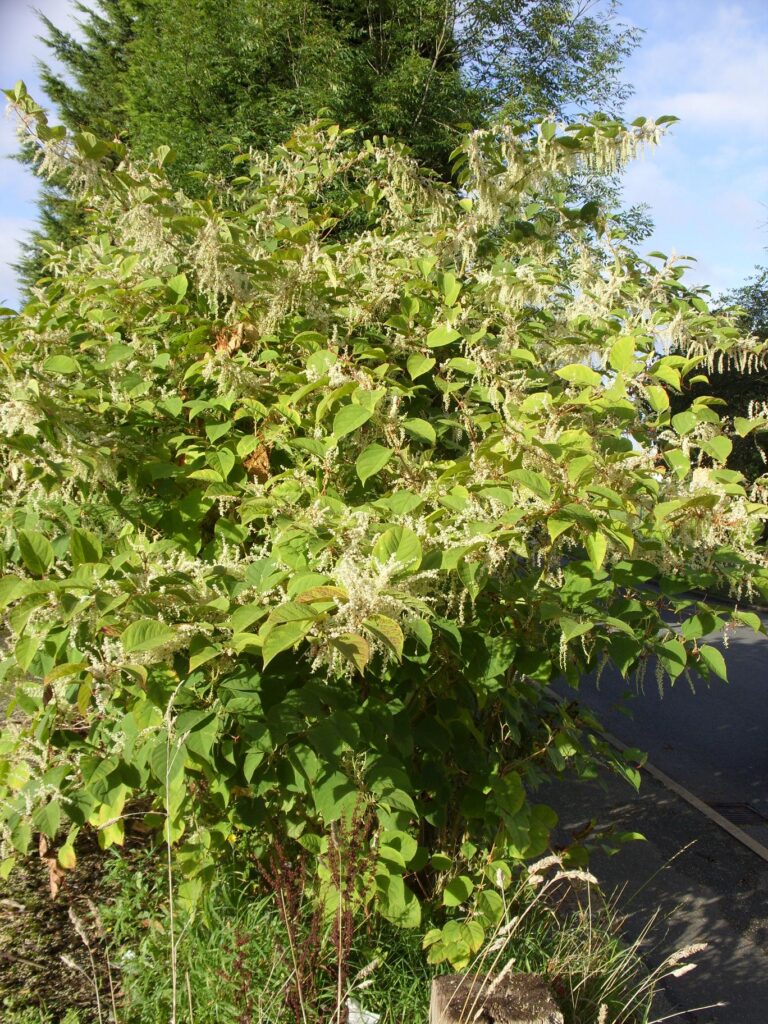
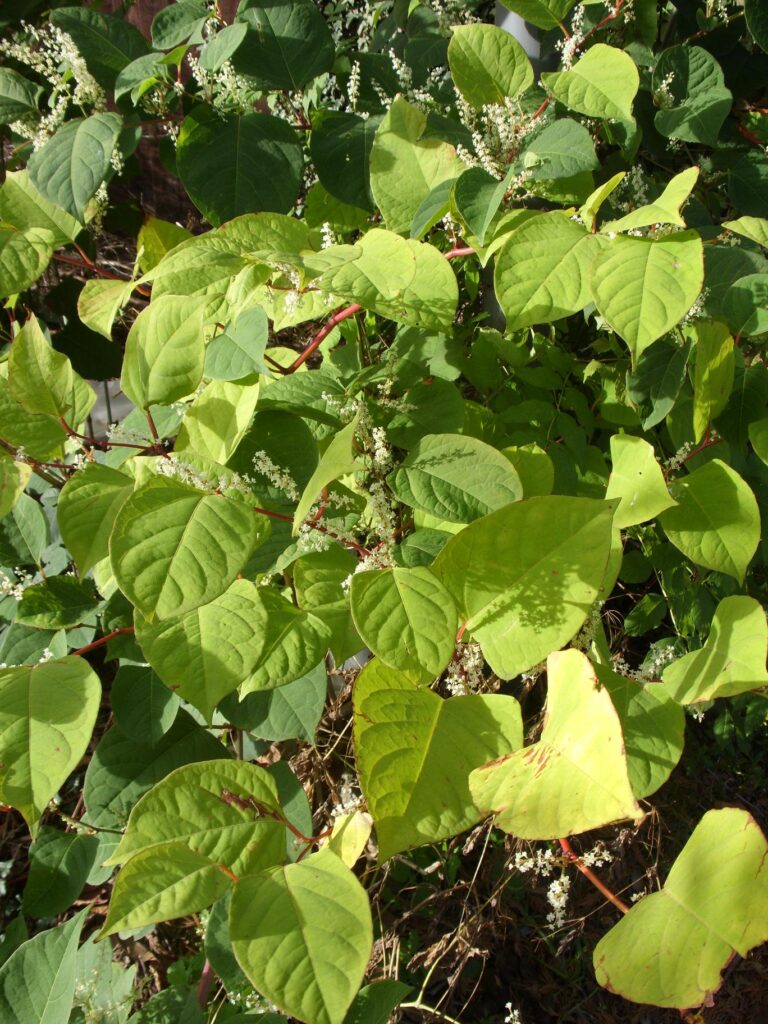
A Happy & Safe New Year to You All
New RICS Guidance Note for Japanese Knotweed Expected Early 2022
A review of the new Japanese Knotweed & Residential Property guidance note has recently been completed by The Royal Institution of Chartered Surveyors (RICS) Working Group. During their review the Working Group looked at nearly 200 responses to the consultation which resulted in some useful changes being made but the details of the proposed Management Categories have remained unchanged. This will however, result in the Property Care Association (PCA) updating our Code of Practice soon along with the new Management Categories being published, something that may impact future lending decisions.
This revised guidance note has now replaced the original 2012 RICS Japanese Knotweed & Residential Property information paper. All revisions reflect an improved understanding of Japanese Knotweed and once again its primary objective is to assist all RICS members who may encounter Knotweed whilst conducting surveys and valuing residential property in the UK. The revisions are intended to help surveyors make their initial assessment and correctly advise their clients, whether they be inspecting for mortgage lending or pre-purchase purposes.
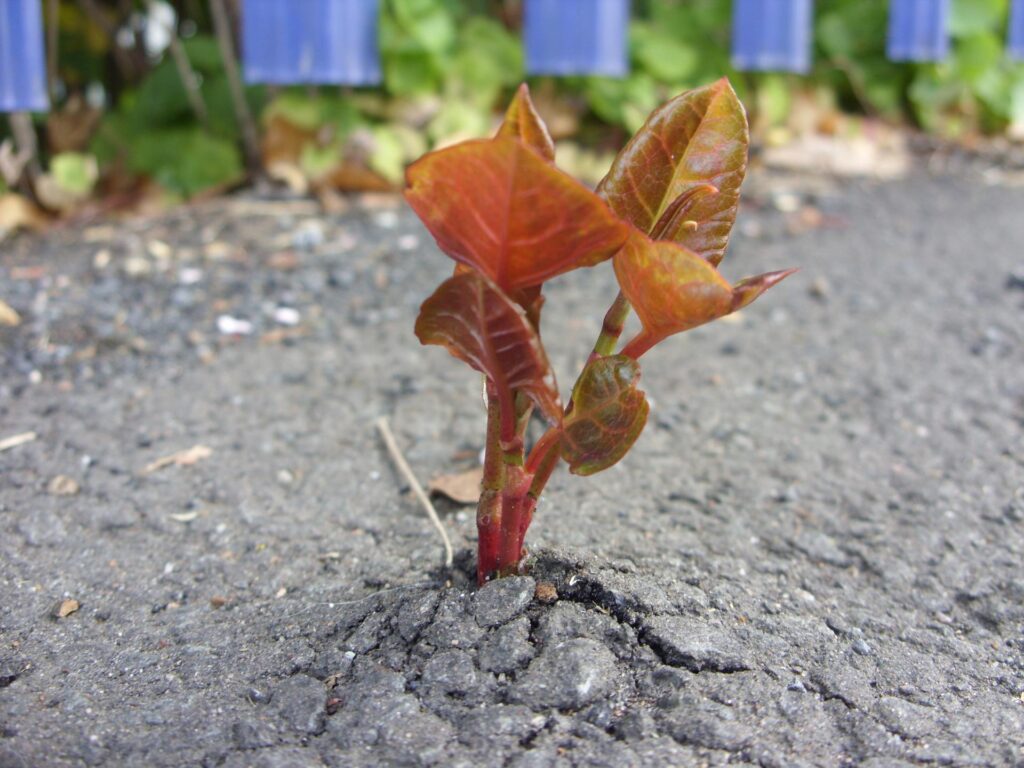
Japanese Knotweed was one of the plants included on the original list of alien invasive species in the Wildlife & Countryside Act of 1981, making it a “Schedule 9” plant. As a result it became an offence to “plant or otherwise cause Japanese Knotweed to grow in the wild.” The environmental impact it has is why soil or any other plant material which has been contaminated with Japanese Knotweed is usually classified under the Environmental Protection Act of 1990 as “controlled waste.”
Japanese Knotweed continues to cause problems in the residential market because of concerns that the plant may cause damage to properties. These concerns emanated from the realisation that if Japanese Knotweed was left unmanaged and untreated, it would establish itself before quickly dominating and eclipsing not just green landscaped areas but also hard areas, growing through paved and tarmacked surfaces, damaging garden walls and disrupting lightweight structures.
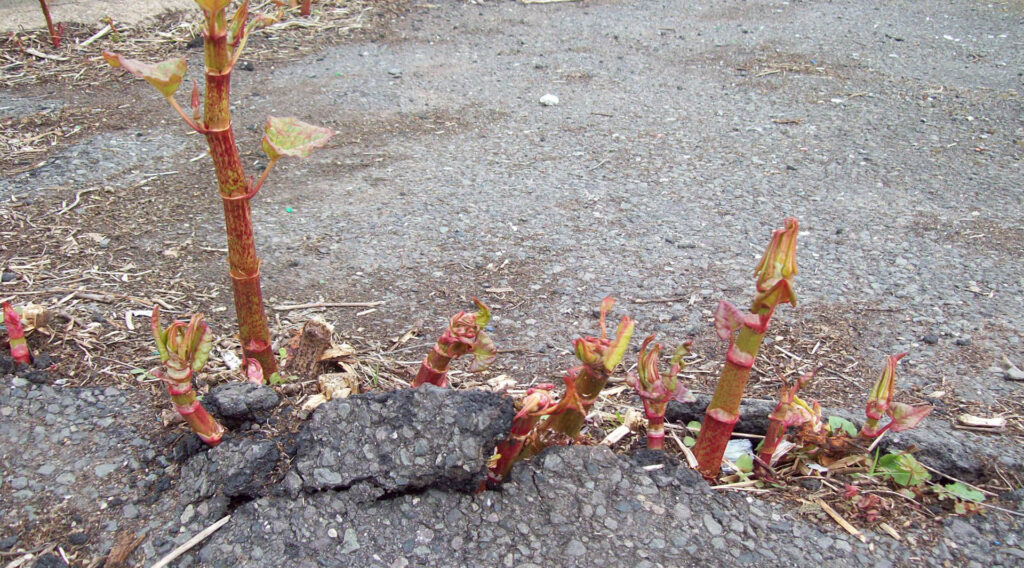
The information paper published in 2012 by the RICS established a protocol for the objective assessment of the risk that Japanese Knotweed posed to nearby properties and landscaped areas. After careful consideration they created four risk categories with the distance of 7 metres from boundaries and buildings being used as the defining measurement.
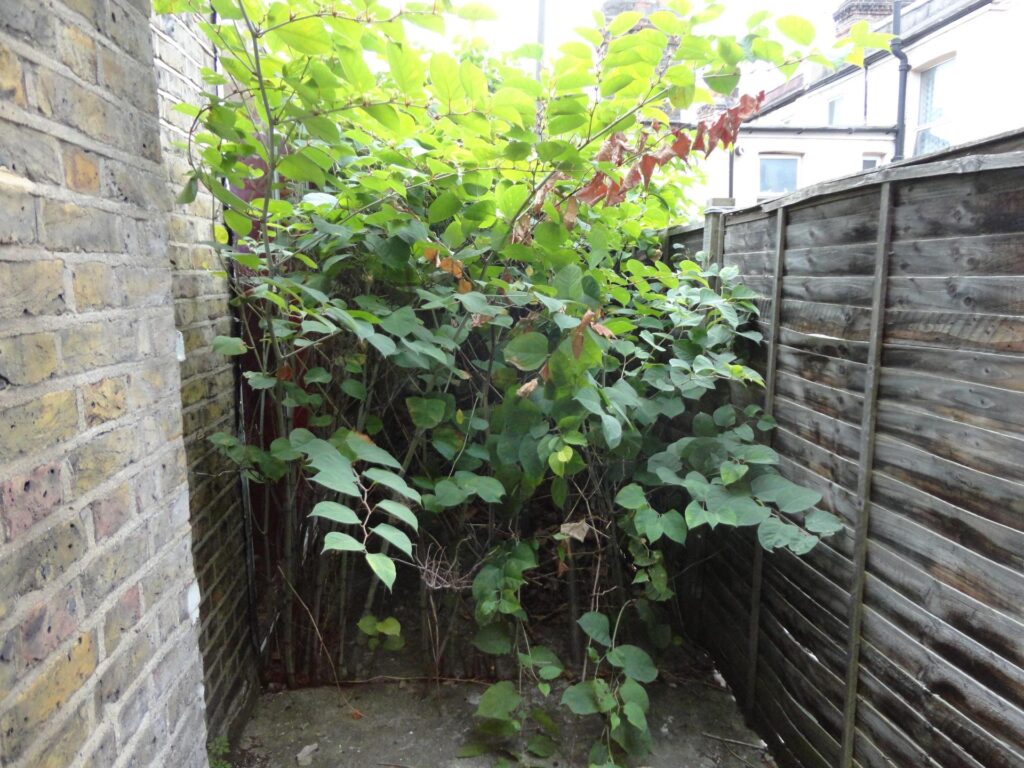
A typical residential property Japanese Knotweed infestation often results in a loss of facility and disruption and damage to landscaped areas such as paths and driveways, along with damage to footings or foundations of lightweight structures although it is rare for there to be any damage to the foundations of larger dwellings.
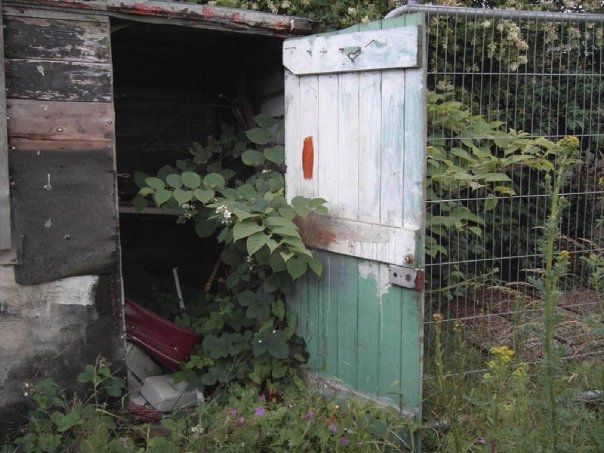
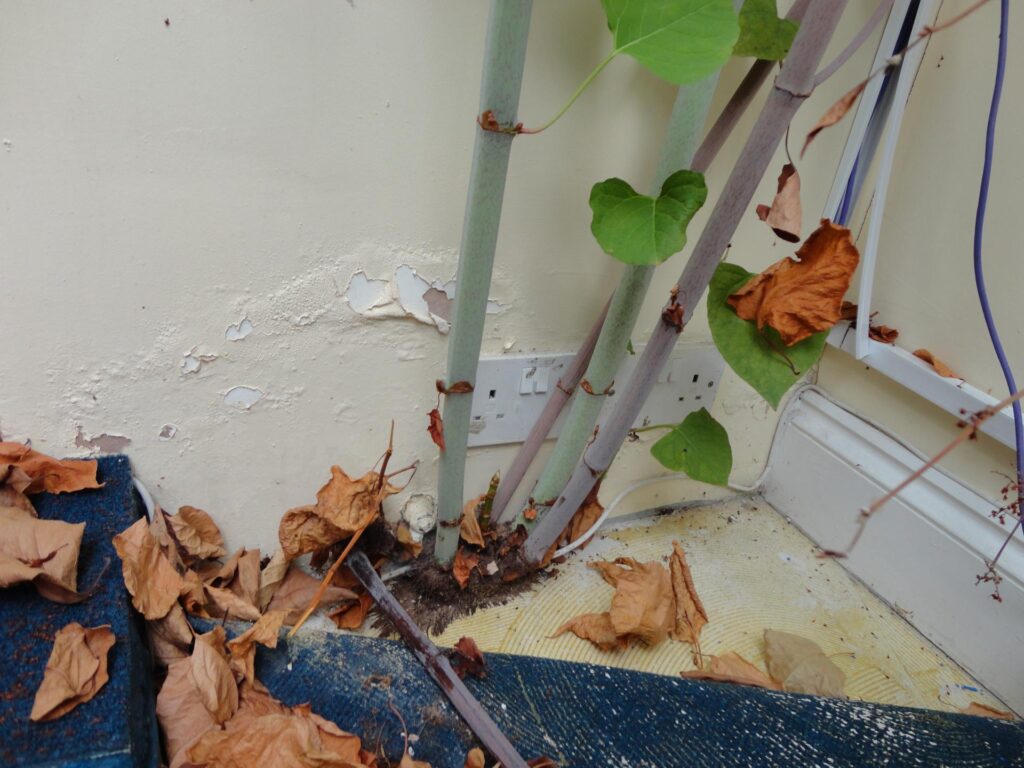
The typical effects and damaged areas from Japanese Knotweed include:
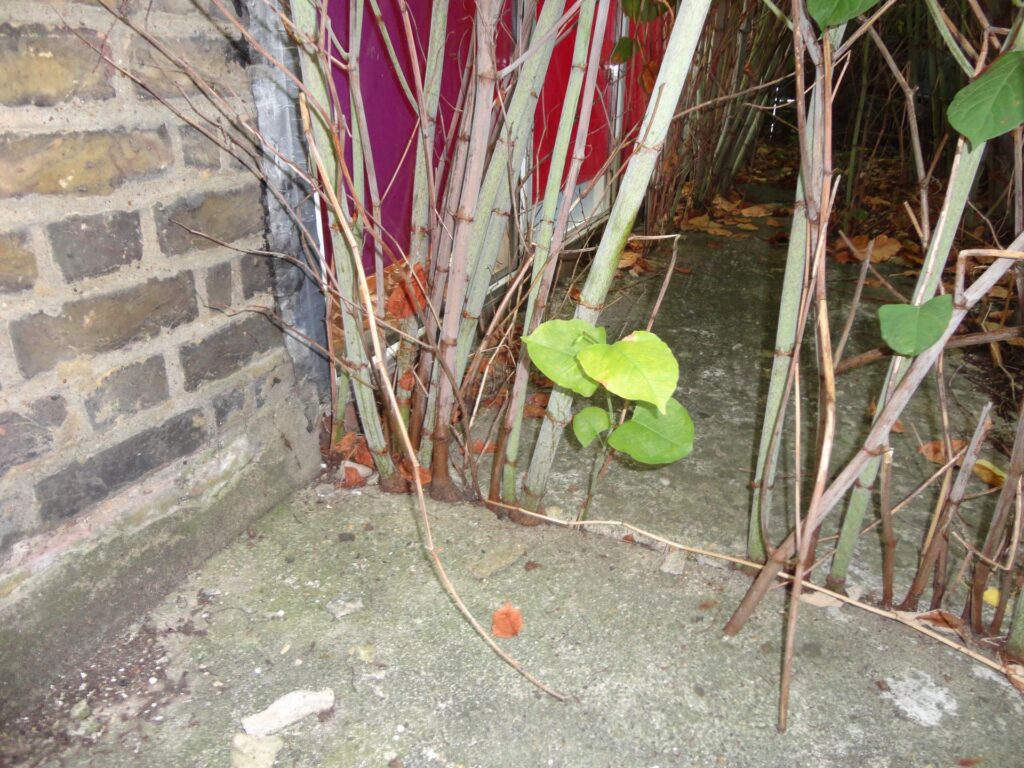
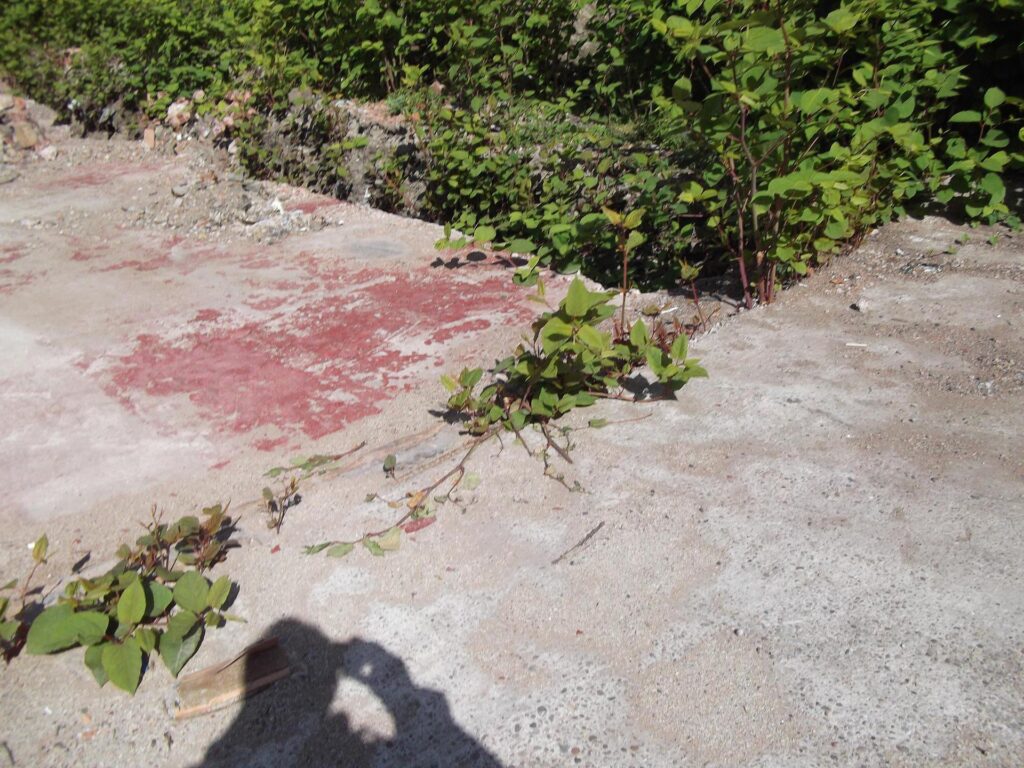
- Driveways, Paths & Patios: While major damage to such areas is unusual, Japanese Knotweed like many other plants can sprout up between patio slabs, joints in concrete driveways and any cracks in brick paving. If it is left untreated and allowed to grow, Knotweed can lift up slabs and damage tarmac surfaces, being all the more disruptive if laid directly on top of the plant.
- Gardens: In most instances there is a loss of amenity, ranging from a slight hindrance due to lack of access or a major loss due to impassable growth.
- Boundaries & Retaining Walls: On the whole, well-built boundaries and retaining walls should restrict the damage caused by Japanese Knotweed. However, like any other well established trees and plants, mature stands of Knotweed can eventually destroy garden walls etc over a few years.
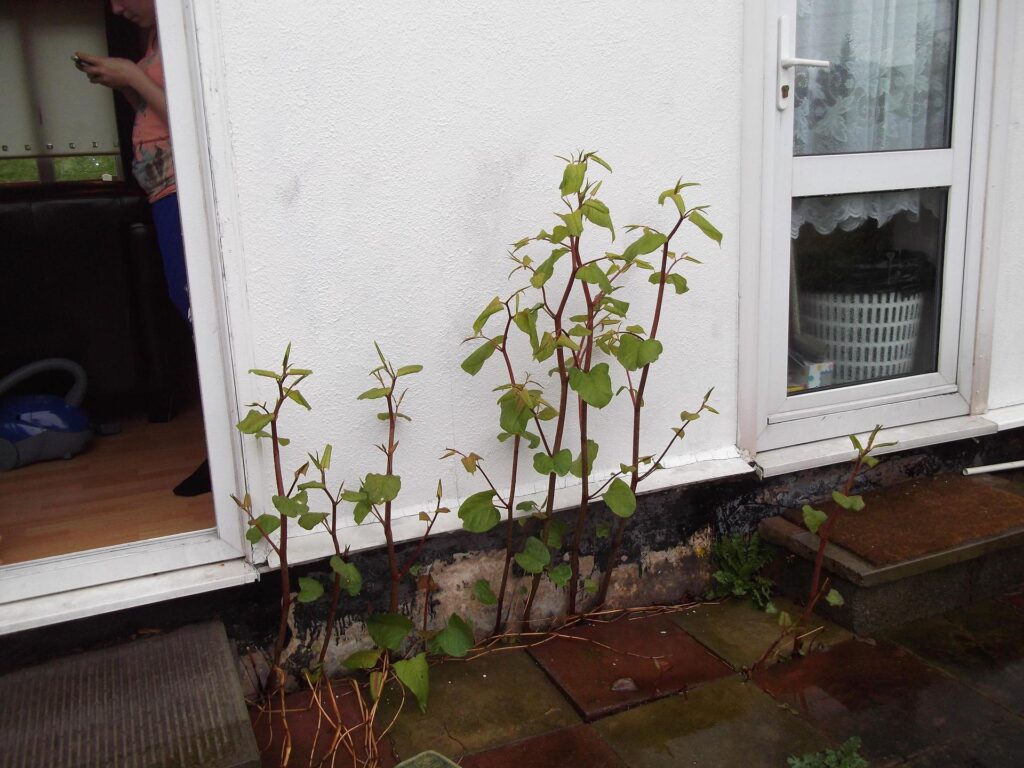
- Outbuildings: Like many other plants, Japanese Knotweed, especially mature stands, can exacerbate existing damage to lightweight outbuildings like garden sheds, greenhouses and very occasionally, badly constructed garages. Conservatories can also fall victim to Japanese Knotweed in very rare cases, usually when they have been constructed on top of mature and untreated stands with the fault falling on poor site clearances rather than the plant “invading” the extension from nearby land.
- Drains & Services: As is the case with other trees and plants, the rhizomes of Japanese Knotweed can utilise cracks and gaps in drainage in order to search for a water source, often causing even more damage and occasionally blocking drains. Allowed to grow, mature stands of Knotweed can completely disrupt drain runs.
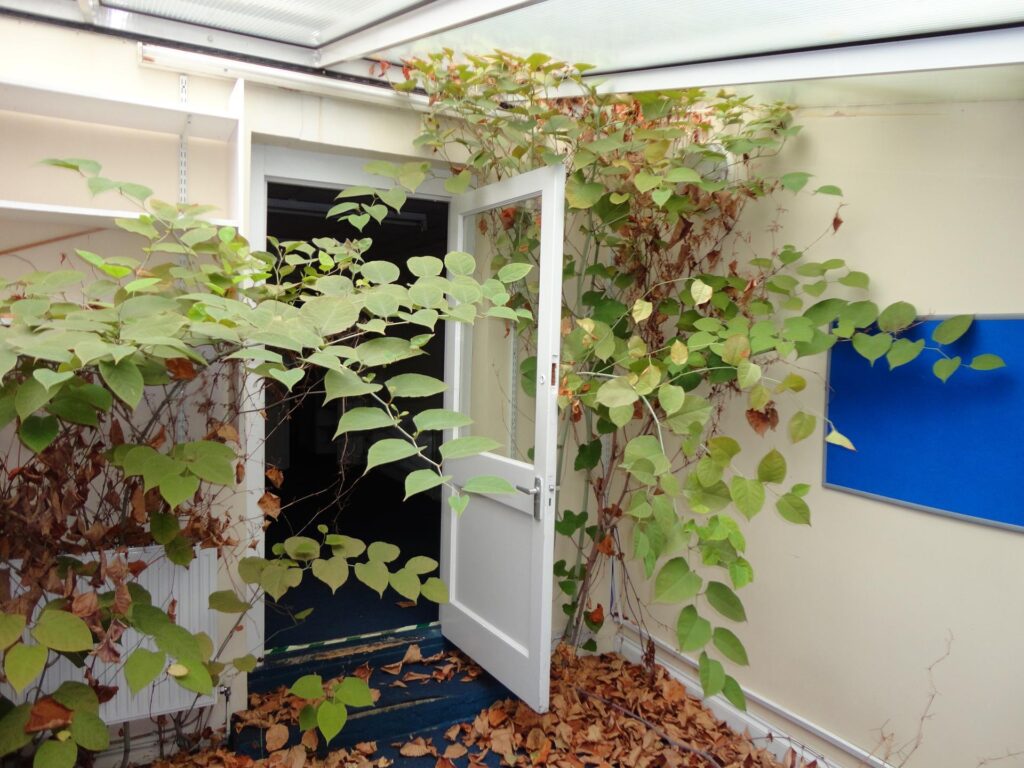
Japanese Knotweed & Mortgages
Invasive Vegetation Management & Treatment Ltd (IVM) can offer a 10 year insured guarantee on any Japanese Knotweed eradication. This guarantee is as a result of direct consultation with the RICS.
Mortgage lenders will expect the presence of Japanese Knotweed to be noted on a residential valuation report. RICS red book guidance requires the valuer to indicate the presence of invasive vegetation. The RICS decided to consult with invasive weed experts and invited input from Japanese Knotweed companies throughout the UK. This resulted in a published information paper early in 2012.
To offer this insurance you have to be audited, scrutinised and prove that your business has expertise, good financial standing, are using appropriately qualified staff, first class customer service and comply with all statutory regulations. When accredited you are also automatically part of the Government endorsed Trustmark Scheme.
Now the good news! Detailed discussion with both the RICS and CML’s have convinced the insurance underwriters that companies accredited to such high standards were of minimal risk and a ten year insured guarantee would be available providing and in support of a 10 year guarantee by the contracting company. It removes one of the obstacles to obtain funding as well as assisting in future sales.
Japanese Knotweed was one of the plants included on the original list of alien invasive species in the Wildlife & Countryside Act of 1981, making it a “Schedule 9” plant. As a result it became an offence to “plant or otherwise cause Japanese Knotweed to grow in the wild.” The environmental impact it has is why soil or any other plant material which has been contaminated with Japanese Knotweed is usually classified under the Environmental Protection Act of 1990 as “controlled waste.”
Japanese Knotweed continues to cause problems in the residential market because of concerns that the plant may cause damage to properties. These concerns emanated from the realisation that if Japanese Knotweed was left unmanaged and untreated, it would establish itself before quickly dominating and eclipsing not just green landscaped areas but also hard areas, growing through paved and tarmacked surfaces, damaging garden walls and disrupting lightweight structures.
The information paper published in 2012 by the RICS established a protocol for the objective assessment of the risk that Japanese Knotweed posed to nearby properties and landscaped areas. After careful consideration they created four risk categories with the distance of 7 metres from boundaries and buildings being used as the defining measurement.
A typical residential property Japanese Knotweed infestation often results in a loss of facility and disruption and damage to landscaped areas such as paths and driveways, along with damage to footings or foundations of lightweight structures although it is rare for there to be any damage to the foundations of larger dwellings.
The typical effects and damaged areas from Japanese Knotweed include:
- Driveways, Paths & Patios: While major damage to such areas is unusual, Japanese Knotweed like many other plants can sprout up between patio slabs, joints in concrete driveways and any cracks in brick paving. If it is left untreated and allowed to grow, Knotweed can lift up slabs and damage tarmac surfaces, being all the more disruptive if laid directly on top of the plant.
- Gardens: In most instances there is a loss of amenity, ranging from a slight hindrance due to lack of access or a major loss due to impassable growth.
- Boundaries & Retaining Walls: On the whole, well-built boundaries and retaining walls should restrict the damage caused by Japanese Knotweed. However, like any other well established trees and plants, mature stands of Knotweed can eventually destroy garden walls etc over a few years.
- Outbuildings: Like many other plants, Japanese Knotweed, especially mature stands, can exacerbate existing damage to lightweight outbuildings like garden sheds, greenhouses and very occasionally, badly constructed garages. Conservatories can also fall victim to Japanese Knotweed in very rare cases, usually when they have been constructed on top of mature and untreated stands with the fault falling on poor site clearances rather than the plant “invading” the extension from nearby land.
- Drains & Services: As is the case with other trees and plants, the rhizomes of Japanese Knotweed can utilise cracks and gaps in drainage in order to search for a water source, often causing even more damage and occasionally blocking drains. Allowed to grow, mature stands of Knotweed can completely disrupt drain runs.
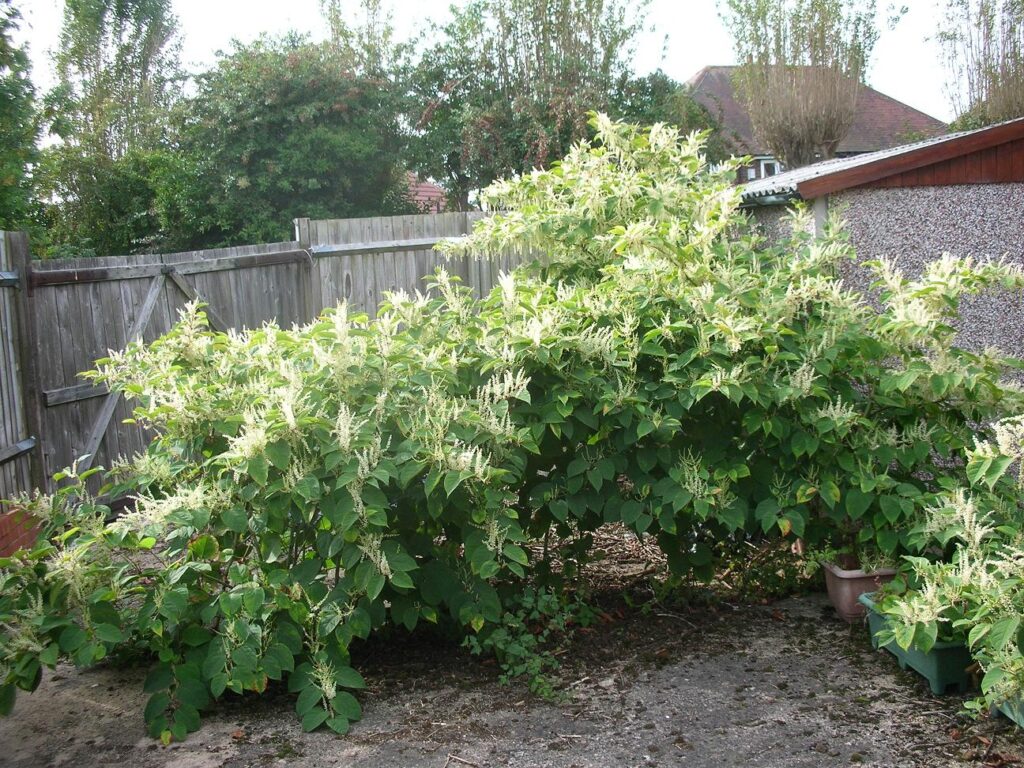
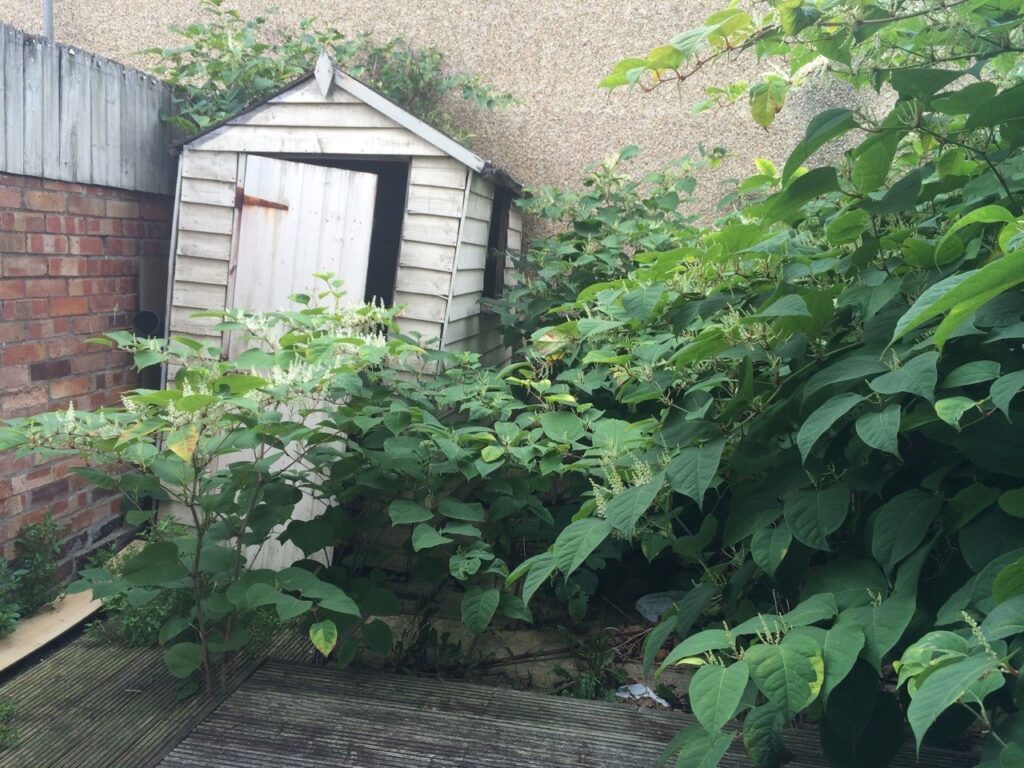
Guide to Japanese Knotweed
If you would like a free copy of our Guide to Japanese Knotweed email michael@i-v-m.co.uk to request one.
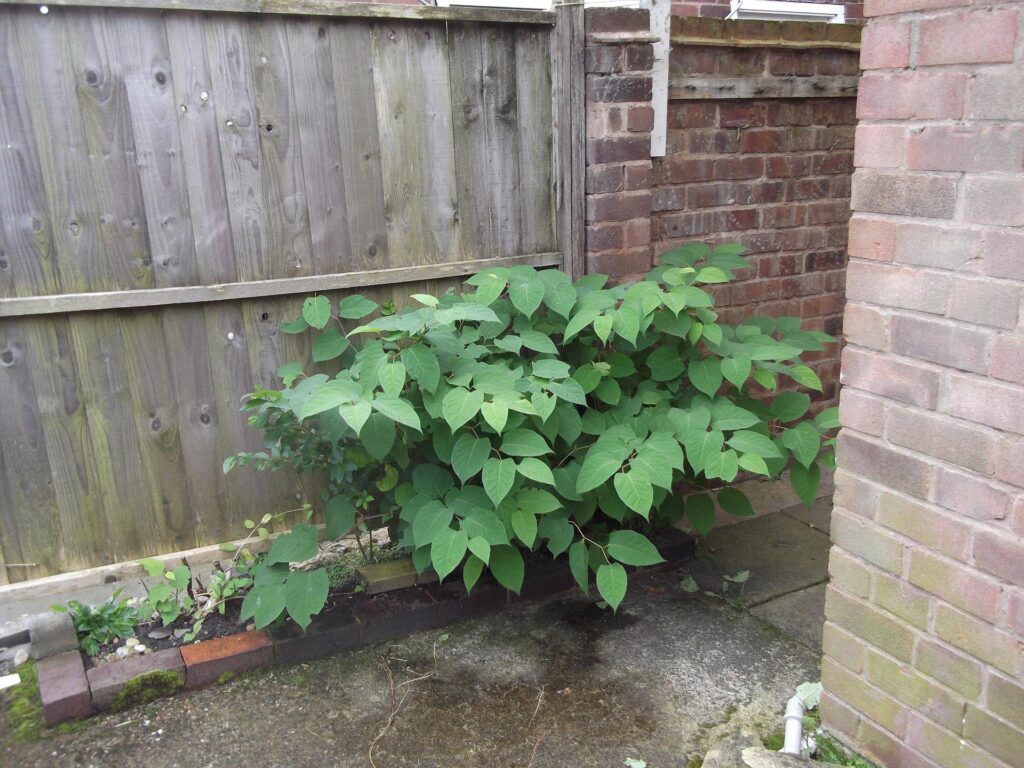
IVM ‘FAST’ System – Foliage & Stem Treatment
A cost effective solution to your invasive vegetation problem has arrived;
Invasive Vegetation Management & Treatment Limited (IVM) will produce a tailor-made program for your site, we work in with your time restraints, budget and ecological issues.
IVM’s flagship methodology, known as the IVM ‘FAST ‘ System (Foliage and Stem Treatment) guarantees treatment of Japanese Knotweed & other invasive species.
This advanced system uses the latest herbicides and application techniques to create a methodology that is cheaper and faster than its rivals.
The ‘FAST’ System uses different herbicides at different times of the year to kill different parts of the plant, in addition to the herbicides, products are applied to improve translocation rates, limit evaporation and assist the herbicide to adhere to the plant.
More information regarding IVM’s treatments, methodology’s and contact details can be found on our website.
Why Choose IVM?
IVM offer tailor made treatment programmes for Japanese Knotweed, Giant Knotweed, Hybrid Knotweed and Giant Hogweed. All treatments undertaken by IVM are guaranteed.
Invasive Vegetation Management & Treatment Ltd (IVM) offer guarantees for Japanese Knotweed (JK) using the latest application techniques and scientific research to ensure successful treatment of Japanese Knotweed, Giant Knotweed and Hybrid Knotweed.
The company has a wealth of experience in the scientific treatment of invasive plants, and can tailor a treatment programme to suit any construction programme. We pride ourselves on their Health and Safety and Environmental awareness, with all operatives trained to high standards and being members of NRoSO, Amenity Assured and the PCA.
We hope our monthly newsletters are useful and keep you connected with information about Japanese Knotweed treatment options together with other invasive weed issues.
At IVM we’ll always respect how you want us to use your details and we will take great care to keep them safe and secure.
We do not and will not ever make them available to a third party.